[1] [2] GLP-1 medications work through several complementary mechanisms: Enhancing insulin secretion : They stimulate the pancreas to release insulin when blood glucose levels are elevated, helping to lower blood sugar in a glucose-dependent manner Suppressing glucagon release : They reduce the secretion of glucagon, a hormone that raises blood glucose, thereby preventing excessive glucose production by the liver Slowing gastric emptying : They delay the rate at which food leaves the stomach, leading to more gradual glucose absorption and increased feelings of fullness Reducing appetite : They act on areas of the brain involved in appetite regulation, helping to decrease food intake [2] [22] Commonly prescribed GLP-1 receptor agonists in the UK include semaglutide (Ozempic for diabetes, Wegovy for weight management, Rybelsus as an oral formulation), dulaglutide (Trulicity), liraglutide (Victoza for diabetes, Saxenda for weight management), and exenatide (Byetta, Bydureon)

If it shows manageable costs and durable health engagement, pressure to make coverage permanent will grow
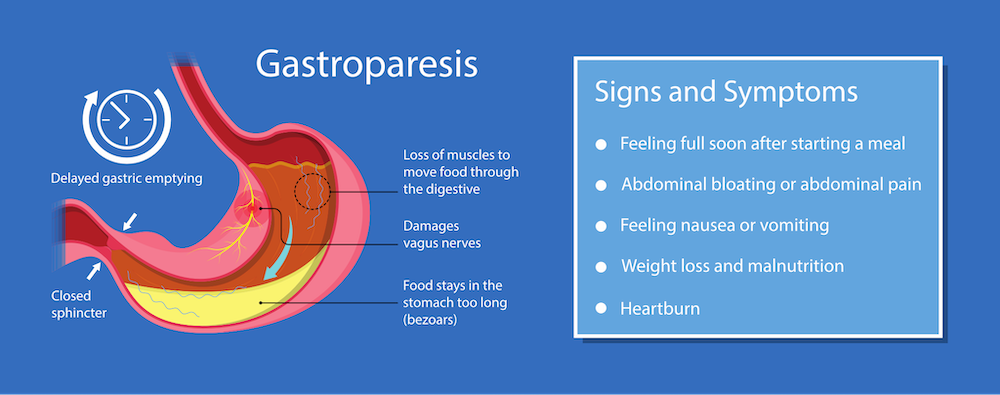
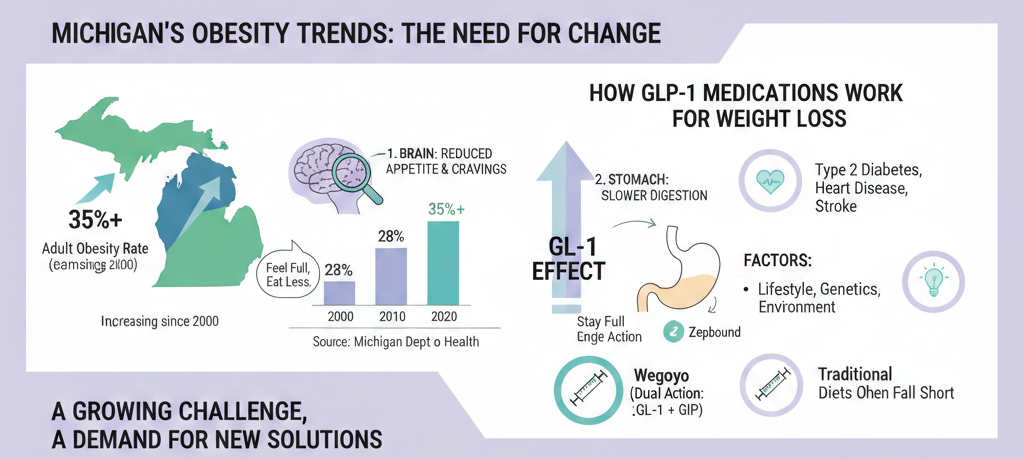
However, approximately half of the patients undergoing endocrine therapy suffer relapses, including mutations in the ER coding gene ESR1 , especially the L536Q and Y537S mutations [6], which present a significant clinical challenge
Here, an intestinal enzyme known as -glutamyltransferase rapidly hydrolyzes (breaks down) the tripeptide structure of glutathione into its constituent amino acids before it can be absorbed intact
Harnessing glucagon-like peptide-1 receptor agonists for the pharmacological treatment of overweight and obesity








![semaglutide gastroparesis lawyer in michigan law office Ozempic Lawsuit [2026 Update] glp-1 nausea lawyer in michigan –](https://trulaw.com/wp-content/uploads/2023/07/Ozempic-Lawsuit.webp)